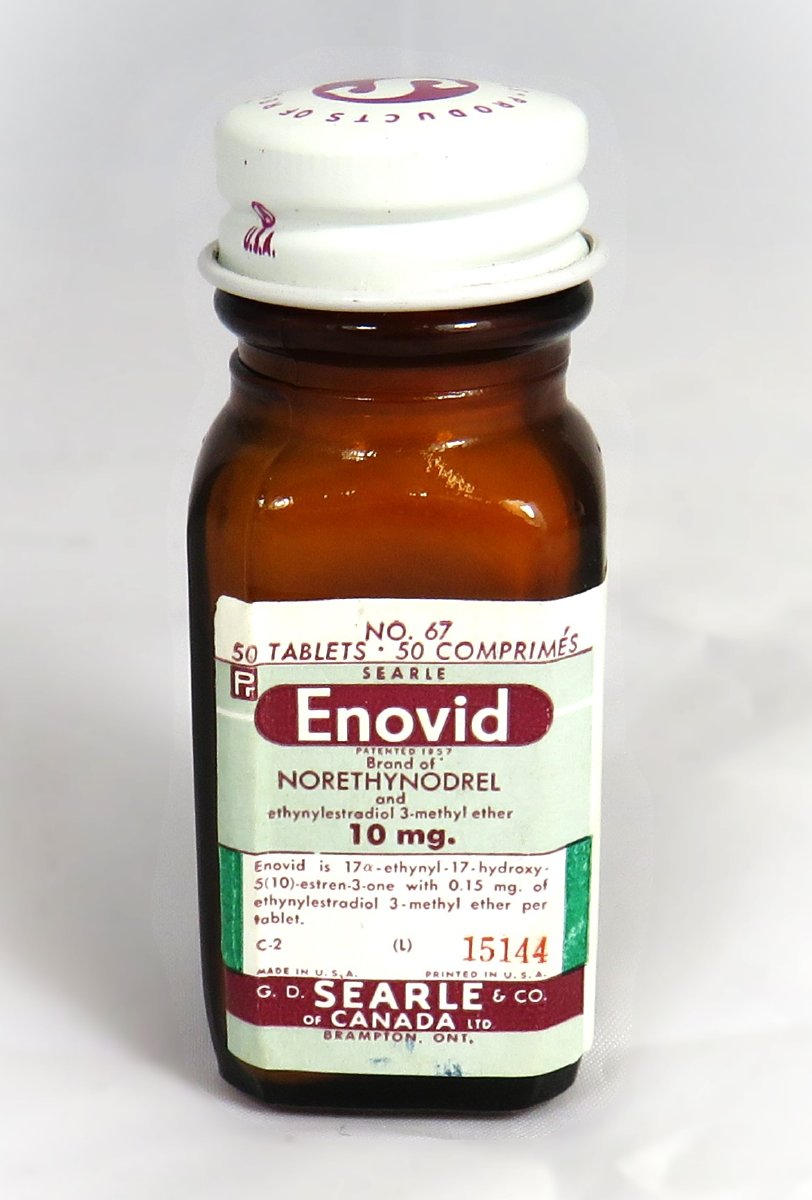
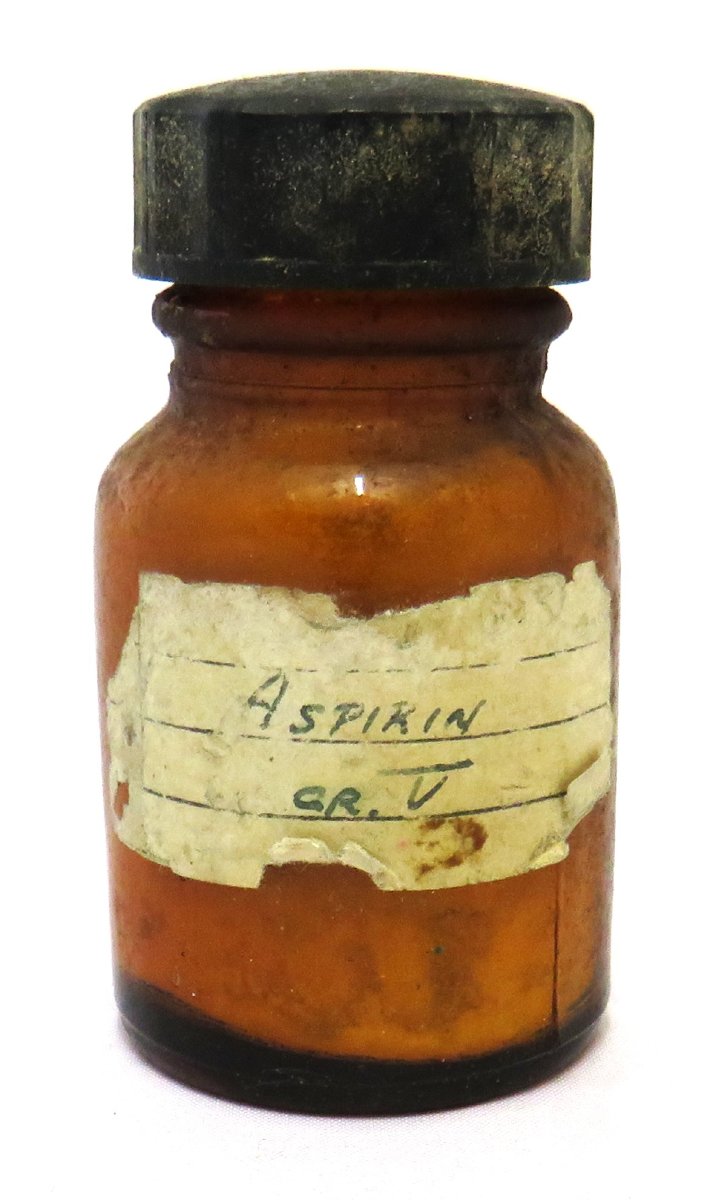
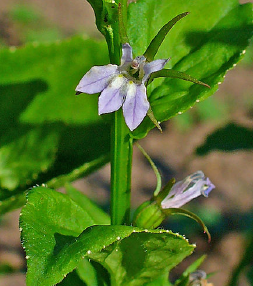
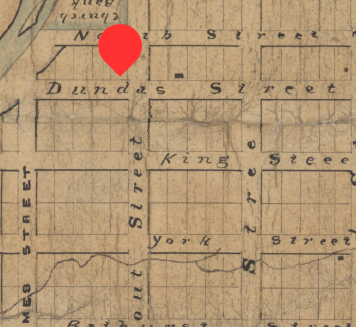
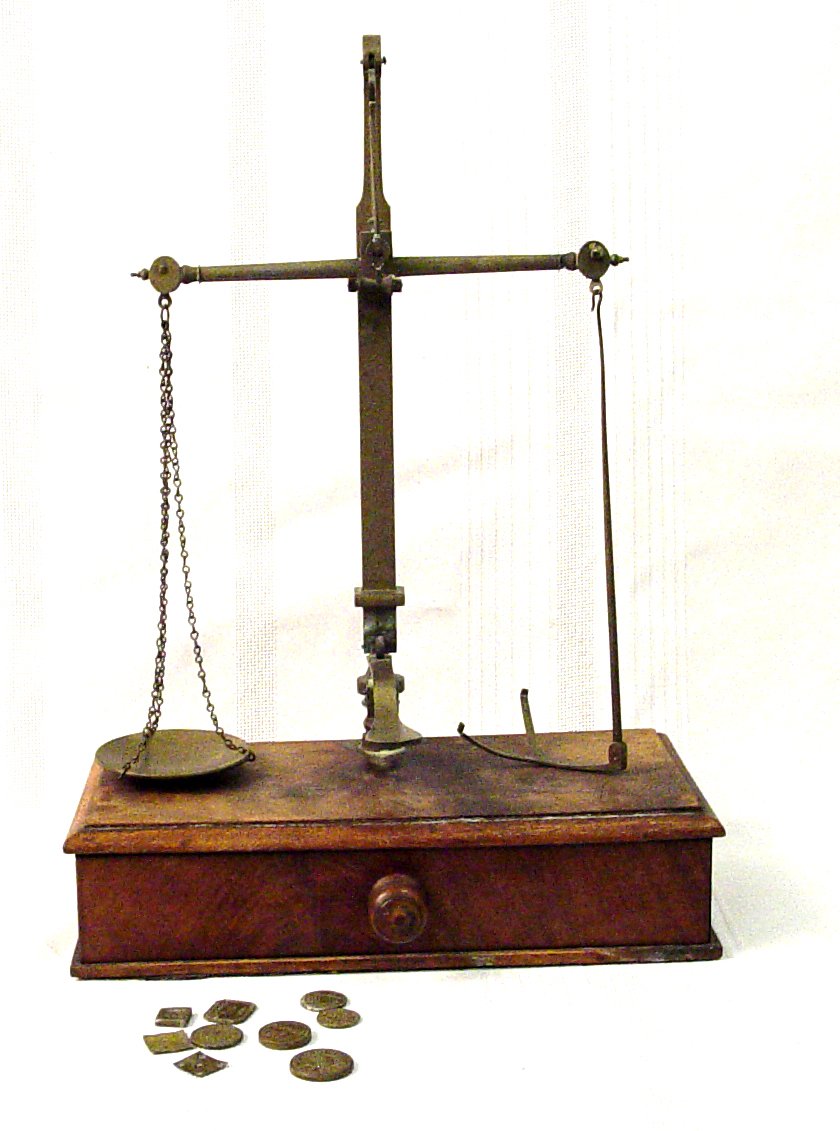
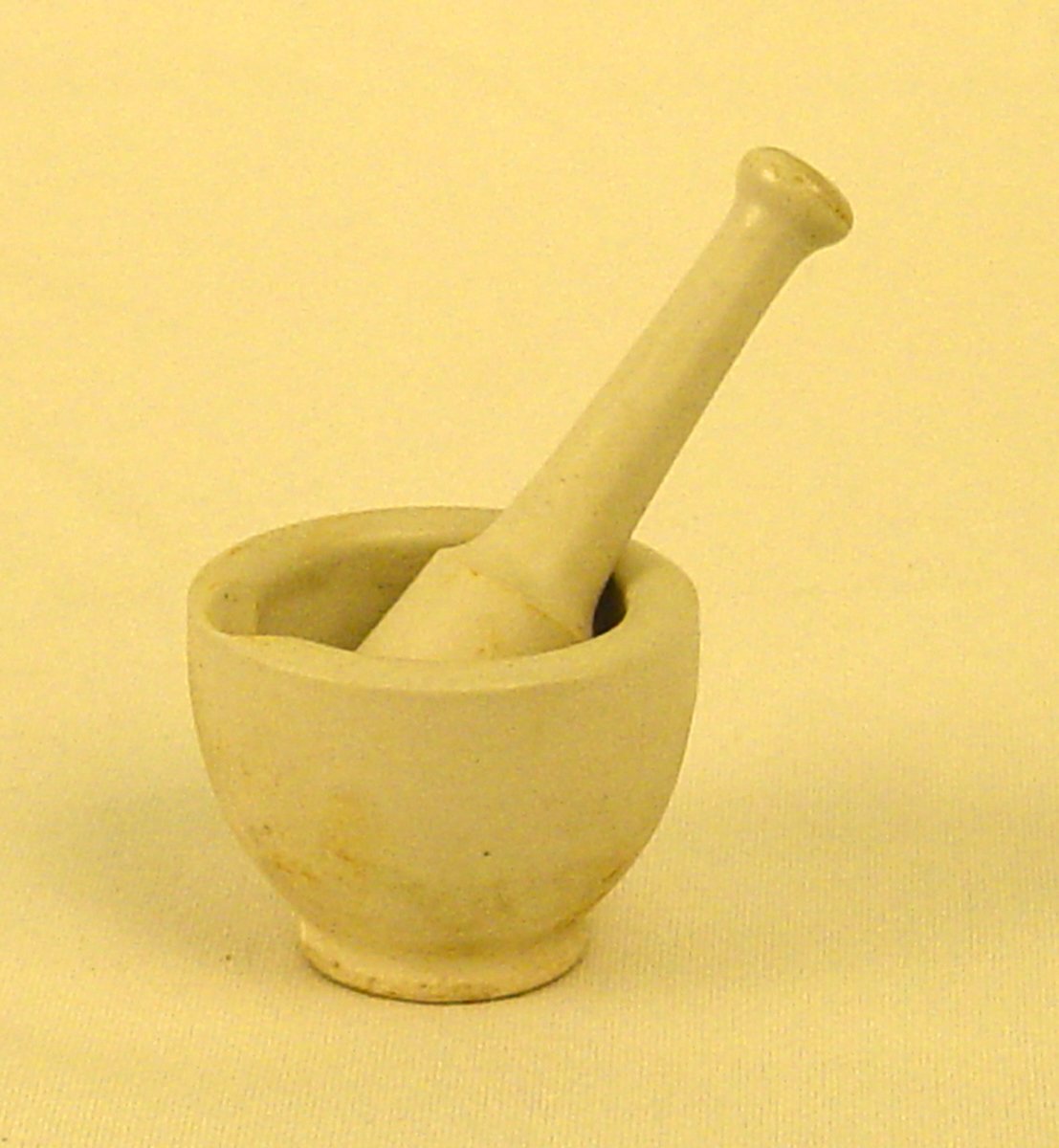
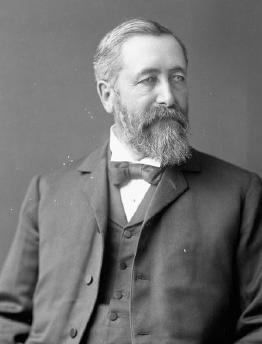
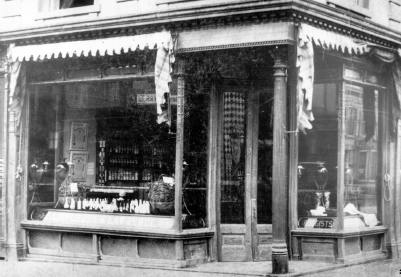
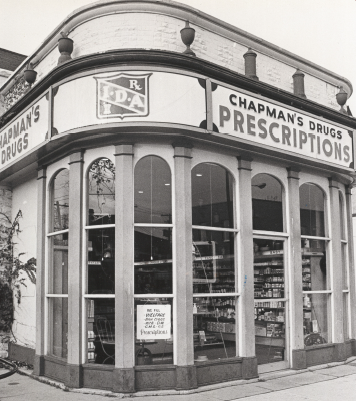
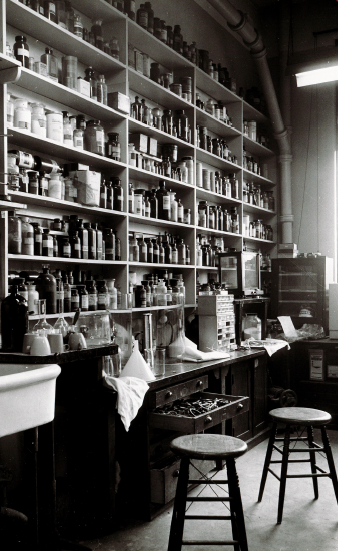
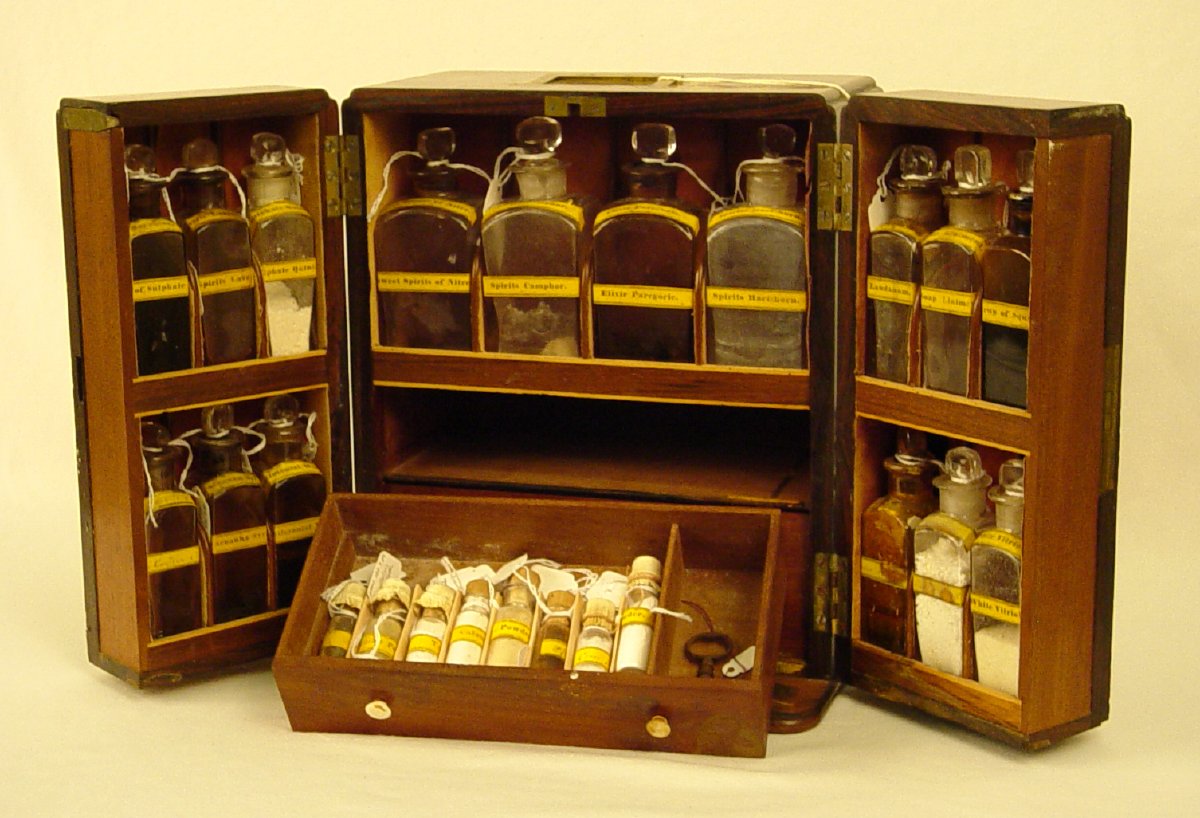
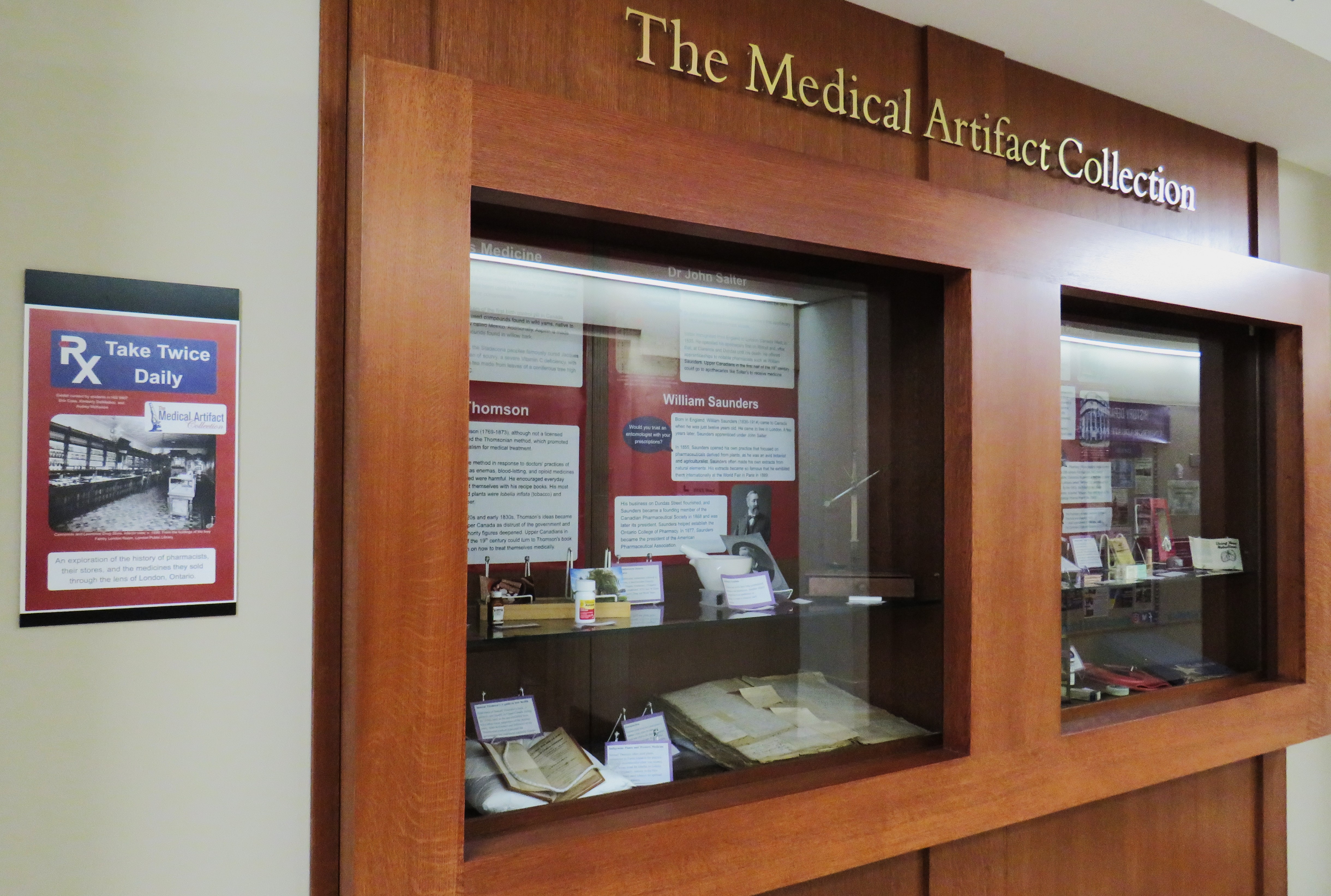
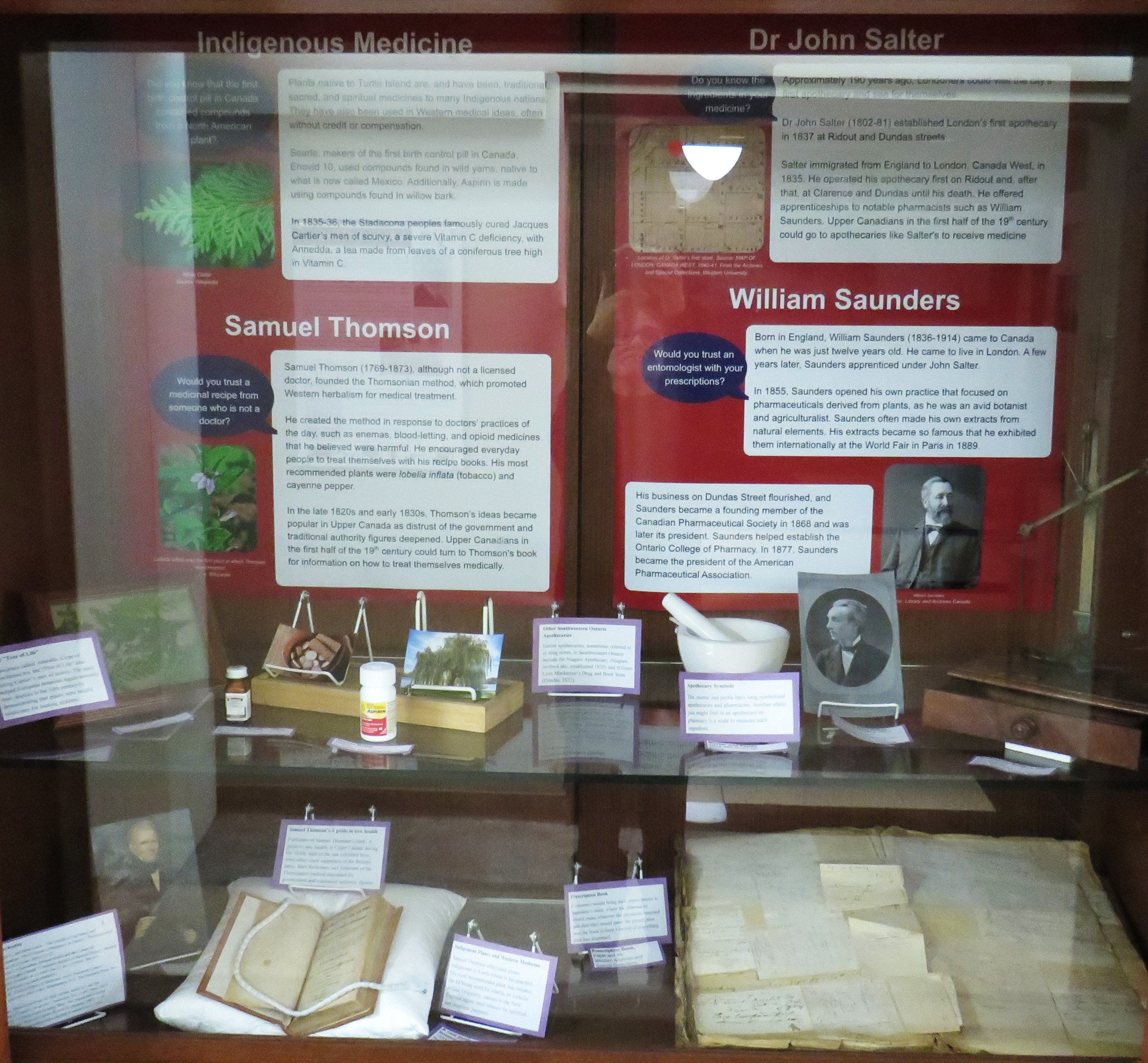
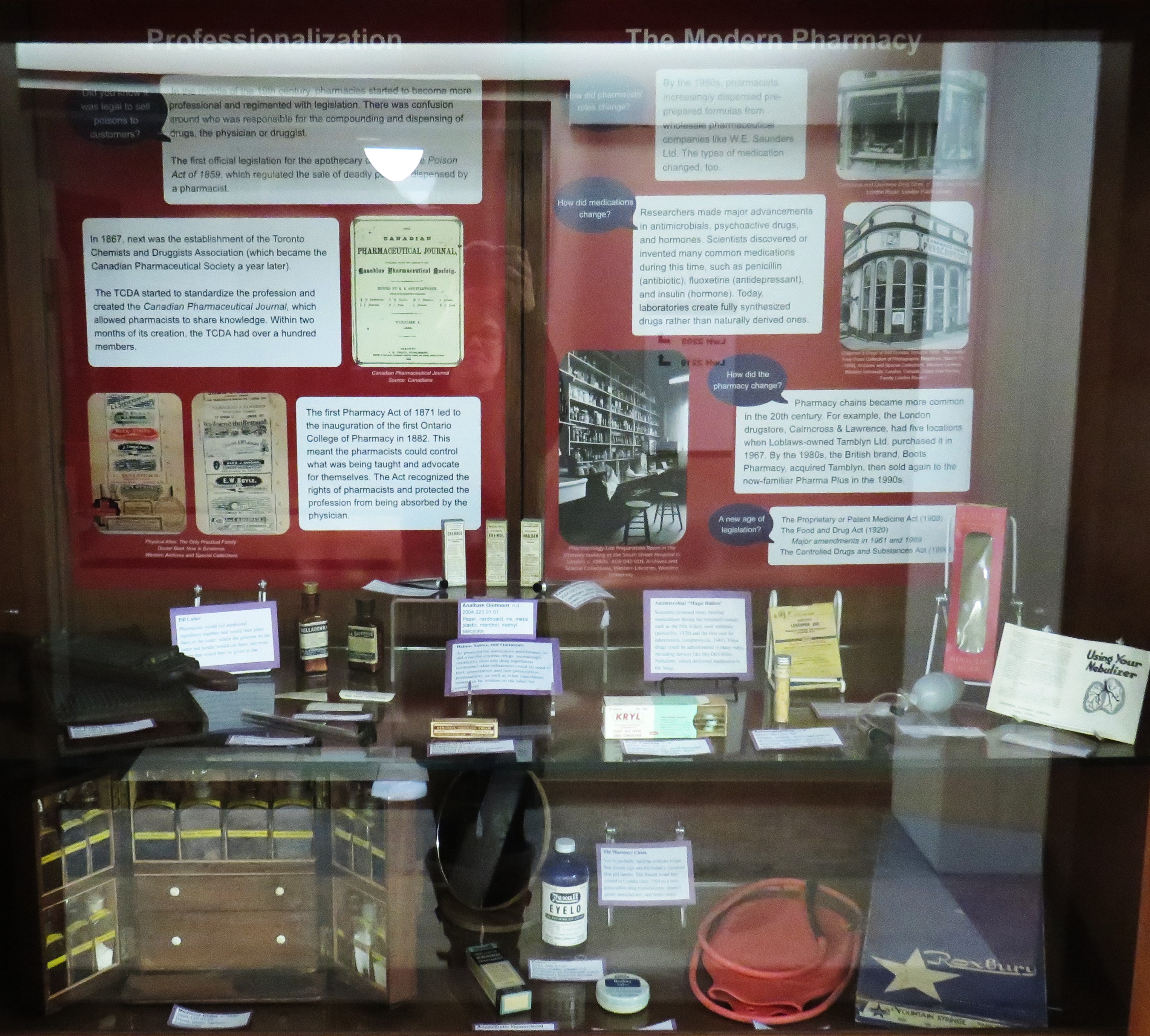
Lawson Hall, 2nd Floor Installed December 2025 Curated by Erin Case, Kimberly DelMedico, and Audrey McKenzie Did you know that the first birth control pill in Canada contained compounds from a North American plant? Plants native to Turtle Island are, and have been, traditional, sacred, and spiritual medicines to many Indigenous nations. They have also been used in Western medical ideas, often without credit or compensation. Searle, makers of the first birth control pill in Canada, Enovid 10, used compounds found in wild yams, native to what is now called Mexico. Additionally, Aspirin is made using compounds found in willow bark. Enovid, the first birth control pill in Canada In 1835-36, the Stadacona peoples famously cured Jacques Cartier’s men of scurvy, a severe Vitamin C deficiency, with Annedda, a tea made from leaves of a coniferous tree high in Vitamin C. White Cedar (Wikipedia). Would you trust a medicinal recipe from someone who is not a doctor? Samuel Thomson (1769-1873), although not a licensed doctor, founded the Thomsonian method, which promoted Western herbalism for medical treatment. He created the method in response to doctors’ practices of the day, such as enemas, blood-letting, and opioid medicines that he believed were harmful. He encouraged everyday people to treat themselves with his recipe books. His most recommended plants were lobelia inflata (tobacco) and cayenne pepper. In the late 1820s and early 1830s, Thomson’s ideas became popular in Upper Canada as distrust of the government and traditional authority figures deepened. Upper Canadians in the first half of the 19 century could turn to Thomson's book for information on how to treat themselves medically. Lobelia inflata was the first plant with which Thomson experimented (Wikipedia). Do you know the ingredients in your medicine? Approximately 190 years ago, Londoners could visit the city’s first apothecary and see for themselves. Dr. John Salter (1802-81) established London’s first apothecary in 1837 at Ridout and Dundas streets. Salter immigrated from England to London, Canada West, in 1835. He operated his apothecary first on Ridout and, after that, at Clarence and Dundas until his death. He offered apprenticeships to notable pharmacists such as William Saunders. Upper Canadians in the first half of the 19 century could go to apothecaries like Salter's to receive medicine. Location of Dr. Salter's first store (MAP OF LONDON, CANADA WEST, 1840-41. Archives and Special Collections, Western University). Apothecary Scale, c. mid-19th century Would you trust an entomologist with your prescriptions? Born in England, William Saunders (1836-1914) came to Canada when he was just twelve years old. He came to live in London. A few years later, Saunders apprenticed under John Salter. In 1855, Saunders opened his own practice that focused on pharmaceuticals derived from plants, as he was an avid botanist and agriculturalist. Saunders often made his own extracts from natural elements. His extracts became so famous that he exhibited them internationally at the World Fair in Paris in 1889. His business on Dundas Street flourished, and Saunders became a founding member of the Canadian Pharmaceutical Society in 1868 and was later its president. Saunders helped establish the Ontario College of Pharmacy. In 1877, Saunders became the president of the American Pharmaceutical Association. William Saunders (Library and Archives Canada). Did you know it was legal to sell poisons to customers? In the middle of the 19th century, pharmacies started to become more professional and regimented with legislation. There was confusion around who was responsible for the compounding and dispensing of drugs, the physician or druggist. The first official legislation for the apothecary came with the Poison Act of 1859, which regulated the sale of deadly poisons dispensed by a pharmacist. In 1867, next was the establishment of the Toronto Chemists and Druggists Association (which became the Canadian Pharmaceutical Society a year later). The TCDA started to standardize the profession and created the Canadian Pharmaceutical Journal, which allowed pharmacists to share knowledge. Within two months of its creation, the TCDA had over a hundred members. The first Pharmacy Act of 1871 led to the inauguration of the first Ontario College of Pharmacy in 1882. This meant the pharmacists could control what was being taught and advocate for themselves. The Act recognized the rights of pharmacists and protected the profession from being absorbed by the physician. How did pharmacists’ roles change? By the 1950s, pharmacists increasingly dispensed pre-prepared formulas from wholesale pharmaceutical companies like W.E. Saunders Ltd. The types of medication changed, too. Cairncross and Lawrence Drug Store, c. 1899. (The Ivey Family London Room, London Public Library). How did medications change? Researchers made major advancements in antimicrobials, psychoactive drugs, and hormones. Scientists discovered or invented many common medications during this time, such as penicillin (antibiotic), fluoxetine (antidepressant), and insulin (hormone). Today, laboratories create fully synthesized drugs rather than naturally derived ones. Chapman’s Drugs at 540 Dundas Street in 1959. The London Free Press Collection of Photographic Negatives, [March 19, 1959], Archives and Special Collections, Western Libraries, Western University, London, Canada. [Copy from the Ivey Family London Room.] How did the pharmacy change? Pharmacy chains became more common in the 20th century. For example, the London drugstore, Cairncross & Lawrence, had five locations when Loblaws-owned Tamblyn Ltd. purchased it in 1967. By the 1980s, the British brand, Boots Pharmacy, acquired Tamblyn, then sold again to the now-familiar Pharma Plus in the 1990s. Pharamcology Lab Preparation Room in the Ottaway building at the South Street Hospital in London, c. 1960s (A08-042-001. Archives and Special Collections, Western Libraries, Western University). A new age of legislation? The Proprietary or Patent Medicine Act (1908) The Food and Drug Act (1920) Major amendments in 1961 and 1969 The Controlled Drugs and Substances Act (1996) Beales, Jennifer D., and Aubin Austin. “The Pursuit of Legitimacy and Professionalism: The Evolution of Pharmacy in Ontario.” Pharmaceutical Historian 36 (2) (June 2006): 22–27. Connor, Jennifer J. “Thomsonian Medical Books and the Culture of Dissent in Upper Canada.” Canadian Bulletin of Medical History / Bulletin Canadien d’histoire de La Médecine 12, no. 2 (1995): 289–311. http://www.jstor.org/stable/45484521. Crellin, John K. A Social History of Medicines in the Twentieth Century: to be taken three times a day. Binghamton, N.Y.: The Haworth Press, Inc., 2004. Malleck, Dan. When Good Drugs Go Bad: opium, medicine, and the origins of Canada’s drug laws. Vancouver, B.C.: UBC Press, 2015. Stieb, Ernst W. “A Professional Keeping Shop: The Nineteenth-Century Apothecary.” Material Culture Review 22 (Autumn 1985): 1–10. https://journals.lib.unb.ca/index.php/MCR/article/view/17238. Rx: Take Twice Daily
Indigenous Medicine

Samuel Thomson
Dr. John Salter
William Saunders
Professionalization
The Modern Pharmacy
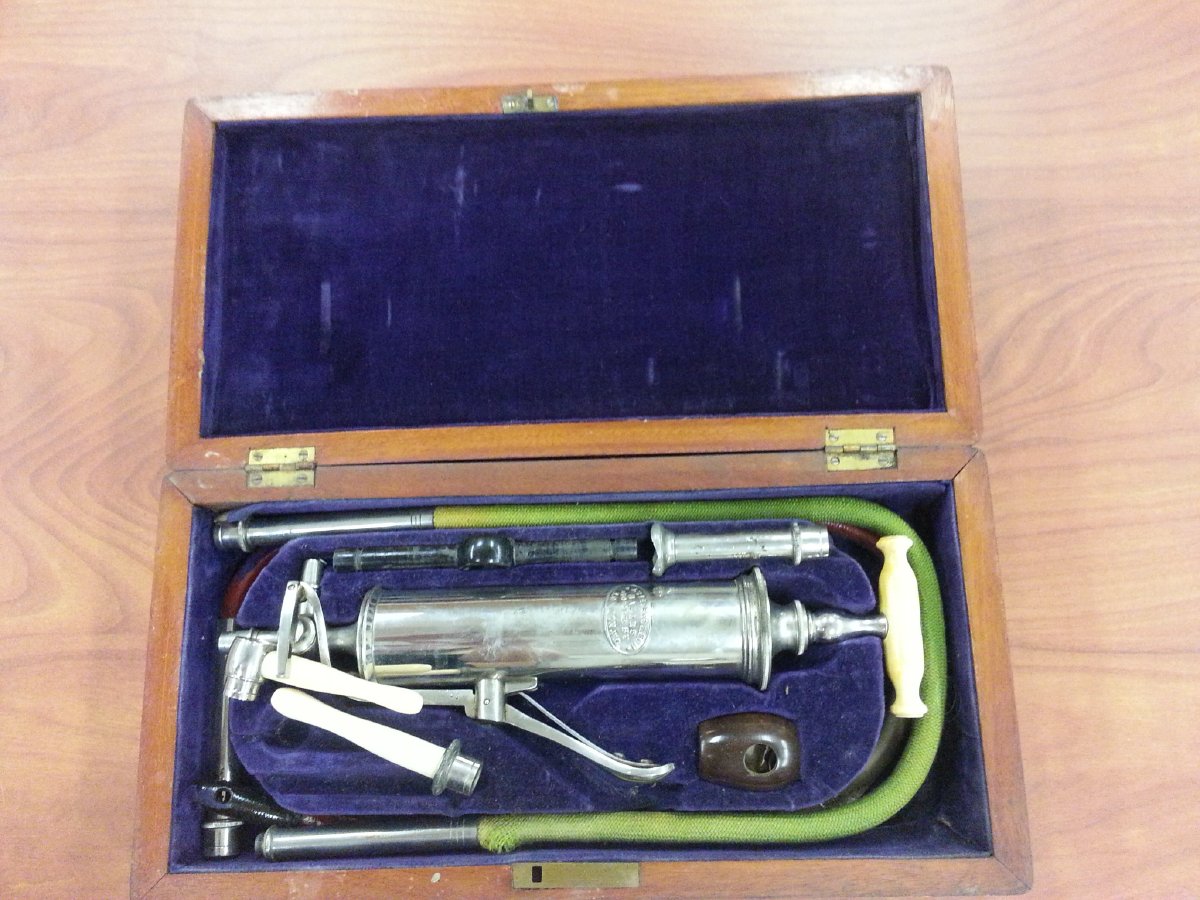
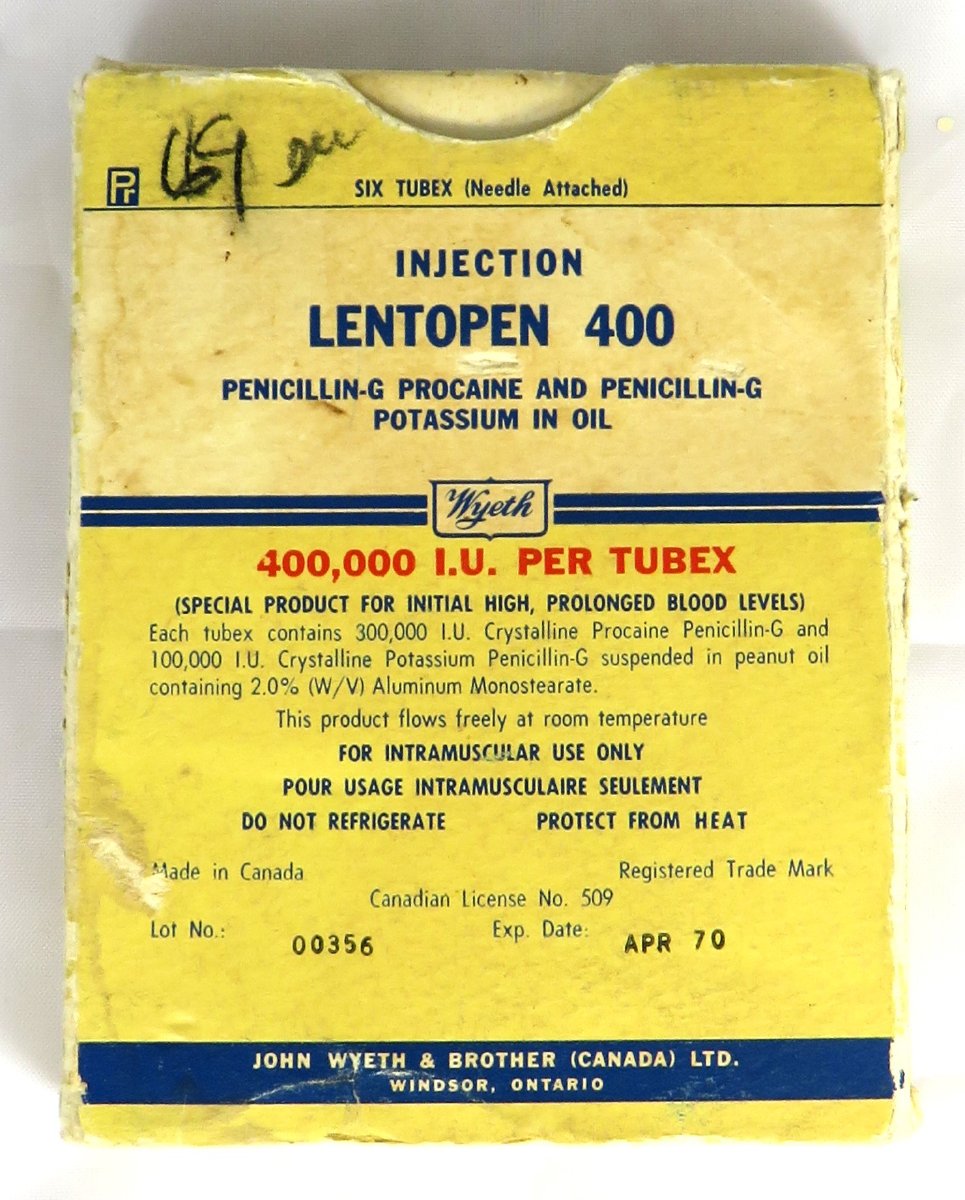
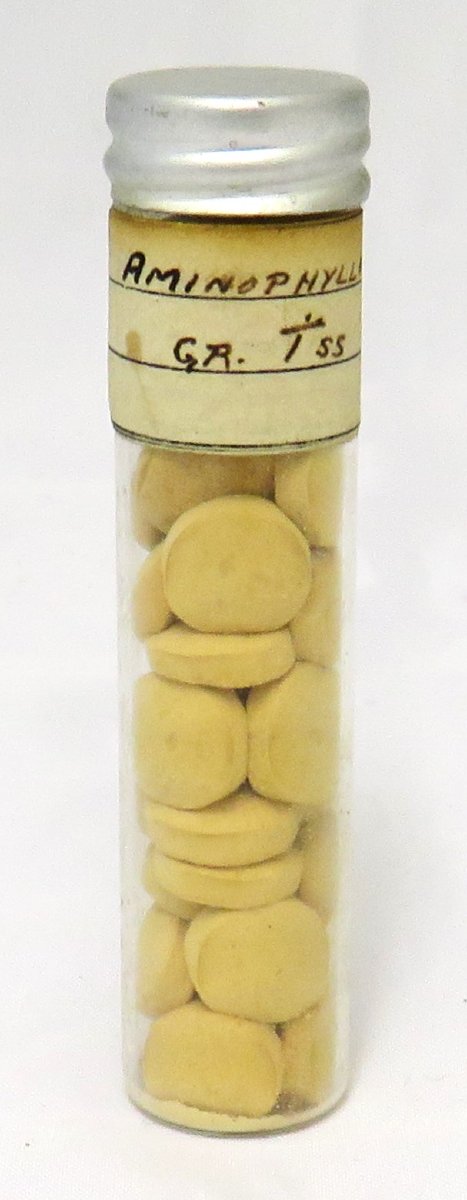
Featured Artifacts

Recommended Reading
You are using a browser that is not standards-compliant. The information on this Web site will be accessible to you, but for a list of Web browsers that comply with the World Wide Web Consortium standards, please visit our Web standards page.
Medical Artifact Collection

Lawson Hall
Western University, London, Ontario, Canada, N6A 5B7
Privacy | Web Standards | Terms of Use | Accessibility
 and updated on